
Reported By Lee, Chen-Li(Daniel)李振麟
The main targets of net-zero carbon reduction encompass three major sectors: high-emission industries, energy-intensive businesses, and import/export goods.
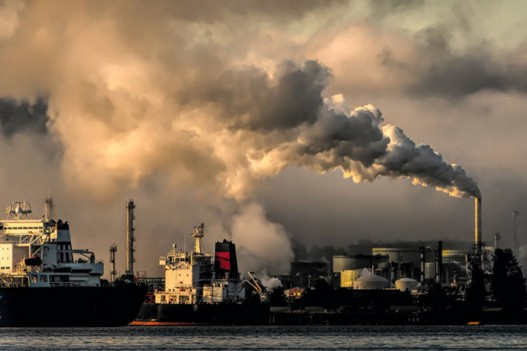
European and American policies focus on six key carbon-intensive industries—steel, cement, copper and aluminum, chemicals, fertilizers, and electric power—requiring that their production processes adopt renewable energy to reduce dependence on fossil fuels and establish comprehensive carbon inventory systems.
At the same time, companies throughout the upstream, midstream, and downstream of the supply chain are now included within the scope of carbon reduction and must disclose their products’ carbon footprint throughout the full life cycle assessment (LCA).
For Europe and the United States, net-zero carbon is not merely an environmental initiative—it has become a core component of industrial competitiveness and trade policy.
CBAM: The New Era of EU Carbon Tariffs
Today, exports to European and American markets face increasingly strict carbon taxation and carbon disclosure regimes. The most representative is the EU’s Carbon Border Adjustment Mechanism (CBAM).
Since October 2023, the EU has entered a transitional phase requiring importers to report their products’ actual carbon emission data. Beginning in 2026, carbon tariffs will officially be levied. At that time, imported goods such as steel, cement, copper and aluminum, fertilizers, and electricity will be taxed based on their carbon emissions—if equivalent carbon costs were not paid in the country of production.
This means that high-emission goods will lose price competitiveness. Companies failing to prepare for carbon credits or carbon reduction measures will see their profits directly affected in EU and U.S. markets.
Although the United States has not yet implemented a nationwide carbon tax, the Inflation Reduction Act (IRA) provides subsidies to carbon-reduction industries and supports the proposed Clean Competition Act (CCA), which may eventually mirror the EU model by imposing border adjustment tariffs on carbon-intensive imports.
Tightening International Standards and Verification Systems
The EU requires importers to provide third-party verified carbon inventory reports, converting actual emissions into a carbon tax base per ton of CO₂.
If data is missing or falsely reported, a “high-emission default value” will be applied for taxation.
The U.S., meanwhile, emphasizes whether exporting countries have equivalent environmental regulations and carbon pricing mechanisms, while gradually forming a “carbon alliance” framework.
Thus, Western net-zero policies have evolved from domestic emission reductions to a strategic tool for global supply chain realignment. For Taiwan and other Asian exporters, only through early adoption of carbon accounting, carbon footprinting, and low-carbon production processes can competitiveness in global trade be maintained.
Five Emerging Trends in Western Decarbonization Policies
In recent years, European and American decarbonization strategies have evolved in five main directions:
- Legal Institutionalization – The EU’s “Green Deal” enshrines the 2050 net-zero target into law, driving comprehensive energy, industrial, and transport transformation.
- Simplified Border Carbon Adjustment Implementation – Small importers receive exemptions or simplified procedures, but carbon costs are still embedded in product pricing to preserve EU industry competitiveness.
- Accelerated Renewable Energy Deployment – Solar and offshore wind are key growth drivers, though short-term constraints remain due to grid capacity and supply chain bottlenecks.
- Strengthened Methane and Industrial Emission Regulations – Under the IRA, the U.S. Environmental Protection Agency (EPA) monitors methane emissions and funds decarbonization equipment in heavy industries.
- Transparency and Third-Party Auditing – Independent agencies assess nations’ net-zero goals and carbon data to prevent policies from becoming symbolic.
Overall, Western decarbonization combines market mechanisms (carbon pricing/CBAM), regulatory standards, financial incentives, and technological innovation. Yet challenges remain in cross-border coordination, infrastructure readiness, and regulatory alignment.
Challenges and Expectations of Taiwan’s Manufacturing Industry
Taiwan’s government actively promotes ESG policies and a Net-Zero Roadmap, requiring listed companies to disclose ESG information.
However, the manufacturing sector’s response has been muted—not due to resistance in principle, but because of imbalances between costs and benefits.
Most Taiwanese manufacturers are small and medium enterprises (SMEs) facing tight profit margins and strong contract manufacturing competition.
ESG implementation involves carbon inventorying, energy transition, supply chain management, and report preparation, all requiring substantial manpower and consulting costs—without immediate return.
Insufficient policy incentives further discourage deeper participation, leading companies to adopt only minimal green measures.
Lack of technology and data also presents major obstacles. Many firms lack carbon accounting systems and trained specialists, while inconsistent supply chain data undermines reporting accuracy.
The “Social” and “Governance” components of ESG are often reduced to superficial documentation due to the absence of quantifiable metrics.
The manufacturing sector’s three main expectations:
- Clear policies and financial incentives – Define concrete carbon reduction timelines, carbon pricing paths, and offer tax relief or green financing.
- Standardized reporting platforms – Unify ESG reporting formats and verification systems under ISO recognition to avoid redundant work.
- Global alignment and professional training – Cooperate with ISO for international audit recognition so Taiwan’s certifications gain global credibility.
Currently, some local institutes offer“ESG Auditor” and “Carbon Inventory Specialist”courses, but without ISO or government authorization, these certificates are educational only – not officially accredited.
For formal certification under ISO 14064 (Greenhouse Gas Inventory) or ISO 14067 (Product Carbon Footprint), companies must be verified by third-party organizations accredited by TAF or UKAS.
Root Solutions: Low-Carbon Raw Materials
Globally, about 70% of carbon emissions originate from the energy and manufacturing sectors, especially upstream industries such as steel, cement, and metal smelting.
If low-carbon production can begin at the raw material stage, total supply chain emissions can be greatly reduced at the source.
For instance:
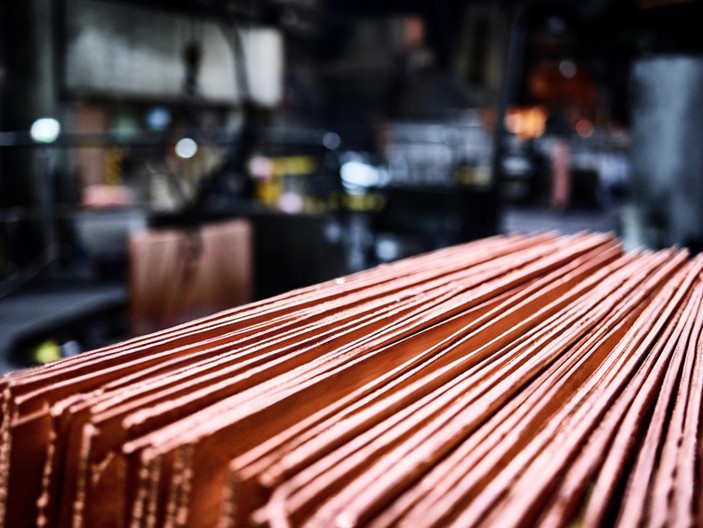
Low-carbon electrolytic copper can reduce emissions by over 60% by switching from fossil-fuel smelting to recycled copper re-electrolysis or hydrometallurgical extraction powered by renewable energy.
Low-carbon cement can cut emissions by 40–70% using carbon capture, utilization, and storage (CCUS), clinker substitution, and electric kiln calcination.
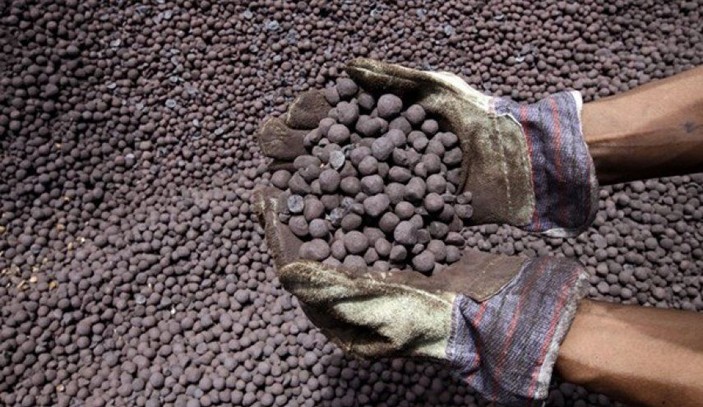
Hydrogen-based steelmaking (using direct reduction iron (DRI)) replaces coke, cutting emissions by up to 90%. Sweden’s HYBRIT project has already produced the world’s first carbon-free steel, marking a milestone in green manufacturing.
However, low-carbon materials still face three major challenges:
- High costs with insufficient carbon pricing or subsidy incentives;
- Lack of unified international LCA standards;
- Limited downstream demand and market motivation.
Despite these hurdles, low-carbon materials remain the most strategic breakthrough point.
Once upstream industries transform, midstream manufacturing and downstream brands will follow, while financial investment will increasingly favor companies with sustainable potential.
A Three-Stage Net-Zero Strategy: Source Reduction, Midstream Transition, and End-Stage Carbon Offsetting
Achieving true net-zero requires an integrated strategy:
- Source Reduction – Reform energy and materials by promoting renewables, low-carbon metallurgy, carbon capture, and carbon-density labeling.
- Midstream Transition – Accelerate supply chain decarbonization through policy, finance, and industrial collaboration.
- End-Stage Offsetting – Strengthen emission balancing through carbon trading and natural carbon sinks.
Governments and education systems should also cultivate Carbon Literacy, raising public awareness of carbon responsibility and embedding carbon-conscious thinking into corporate culture—shifting from compliance to innovation and competition.
Conclusion
“Net-Zero Carbon” is not just an environmental slogan—it is an energy revolution, an industrial transformation, and an economic restructuring.
Only by establishing a comprehensive life-cycle carbon reduction system—from source decarbonization to end-stage offsetting— can Taiwan and global industries create genuine sustainable competitiveness in the new green economy. (All rights reserved.)