
The economic impact of the U.S.-Iran conflict is spreading beyond the Middle East, with growing pressure on corporate spending, shipping logistics, household costs, and consumer markets.
IBM Chief Executive Officer Arvind Krishna said geopolitical uncertainty surrounding Iran has made the company more cautious in setting its business outlook. He warned that any disruption to Middle East oil supplies could raise energy prices, worsen inflation, and weaken consumer purchasing power. That, in turn, could prompt business clients to delay spending on technology upgrades, hardware purchases, and consulting services.
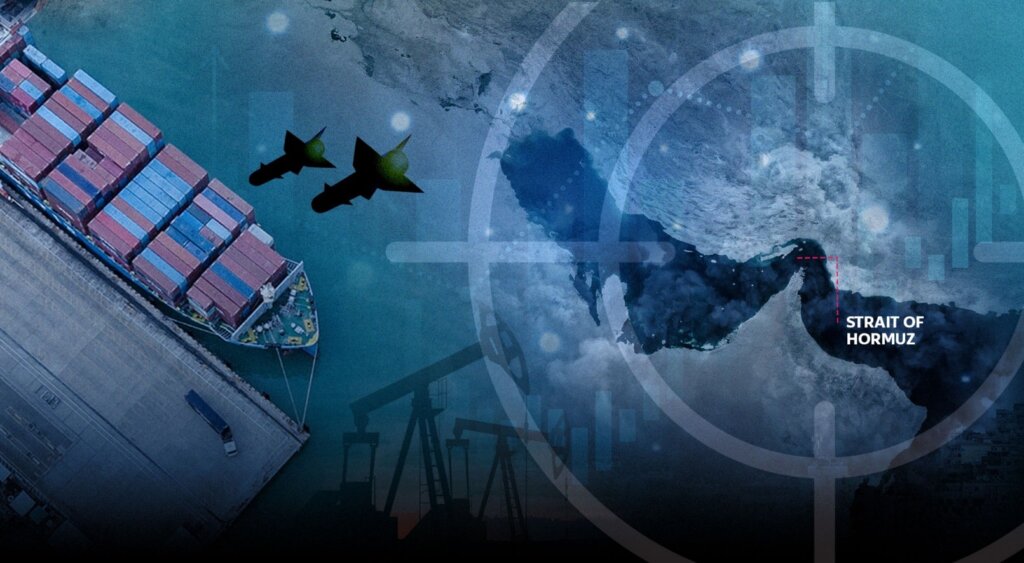
Global shipping is also under strain. Maersk said the Strait of Hormuz remains effectively closed amid escalating tensions, with cargo continuing to face delays at sea and in nearby ports. Because the strait is a critical route for global energy and trade flows, prolonged disruption could drive up transport costs and deepen supply chain uncertainty.
The crisis is hitting fuel-dependent Pacific island nations especially hard. Rising fuel prices are pushing up the cost of electricity, transport, and food, while some remote communities are struggling to secure basic supplies. Aid agencies warn that the conflict is worsening already fragile living conditions across the region.
Luxury brands are also feeling the effects. Hermès said geopolitical tension and weaker tourism linked to the Middle East conflict weighed on first-quarter sales, adding new pressure to hopes for a luxury sector recovery this year. Other European luxury groups have also cited a more uncertain outlook.
Citadel Securities warned that the conflict is moving from an inflation shock to a broader growth shock. The firm said shortages are no longer limited to oil, but are also affecting key industrial materials such as helium and fertilizer, raising risks for sectors including semiconductors, data centers, and AI infrastructure.
Taken together, these developments suggest the Middle East conflict is no longer just a regional security issue. It is becoming a wider economic risk, affecting businesses, supply chains, consumers, and global growth expectations.