
蔡昆凌博士/專欄作家
管理科學博士、英國愛丁堡商學院博士班研究員、嘉義縣政府縣政顧問、嘉義縣政府公害糾紛調解委員會委員、思姆斯科技股份有限公司總經理、沛鑫包裝科技股份有限公司行銷總監、兼任助理教授
凱米Kemi颱風是今年來罕見的 ” 西北颱 “,台灣曾出現4次西北颱,最明顯的例子就是20年前的艾利颱風,其挾著強大風雨重創北台灣。蔡昆凌博士表示:因為為”西北颱”中心結構不會受到地形破壞,導致大量降雨從山區往平地累積,尤其北台灣容易引發海水倒灌、低窪地區淹水。此外,凱米颱風帶來旺盛西南氣流,南投土石流沖斷淘空4.3公里處的路基,成為南投的第一個孤島。
而凱米Kemi颱風來勢洶洶,土石流增加的趨勢非常明顯,最大時雨量近380公釐的強降雨,蔡昆凌博士提醒,近來頻繁地震加上降雨引發土石流,均離不開強震後地質鬆軟化,地表裂縫增多,造成降雨潛在威脅加劇,尤其地質鬆軟化,地表裂縫增多,成為雨水快速滲透的通道,加速水的浸潤和滲透,增加土壤潤滑度,倘若降雨持續或增加,增加山體的水壓,進一步削弱了山體的穩定性,這就跟蔡昆凌博士之前提出地下水的增減會引起地震產生。
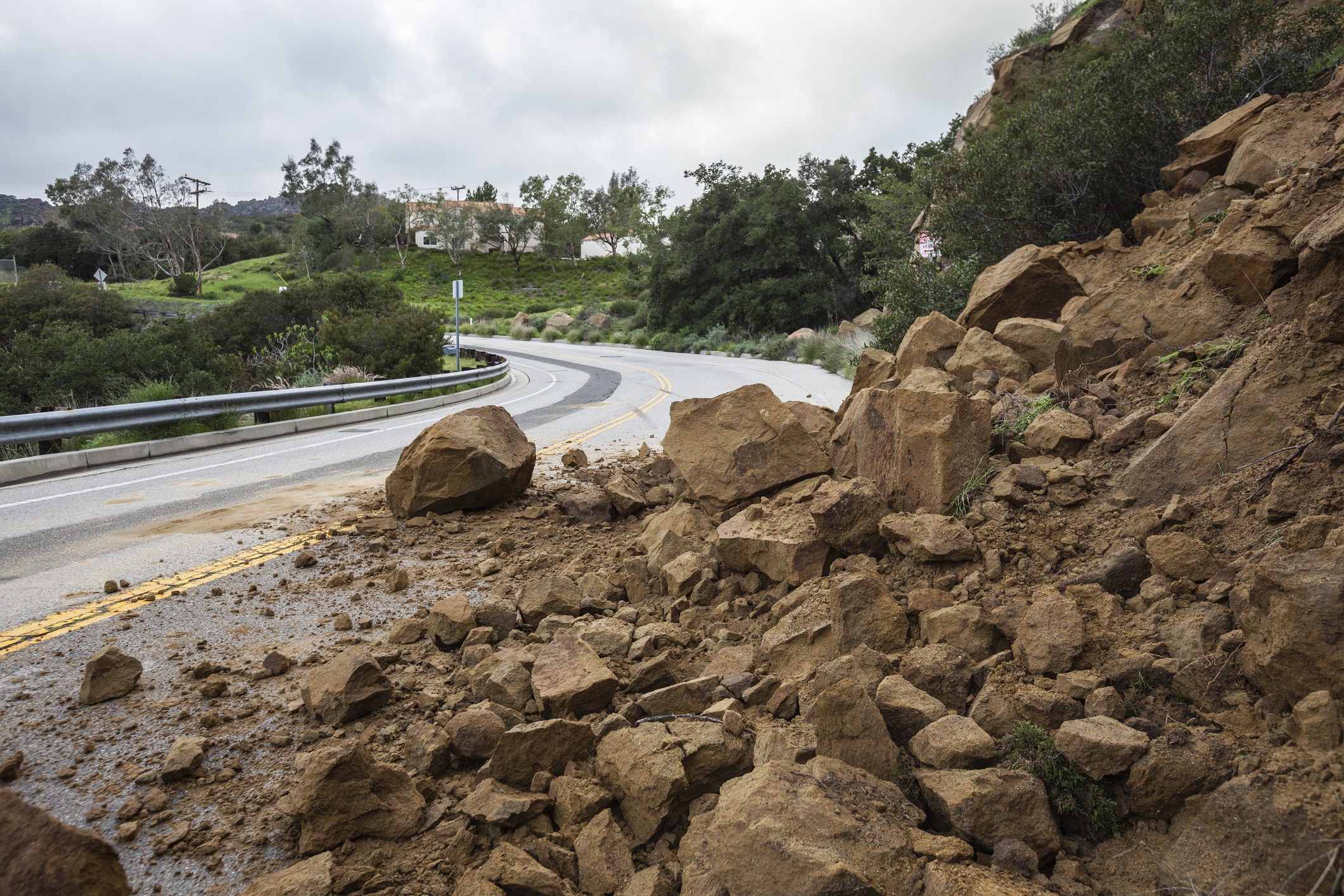
因此這是政府當局在颱風後要注意的,土石流只是颱風帶來的表面影響,台灣因為植被減少影響,沒有植被的覆蓋崩落土地,雨水會更快地滲透進入土壤中,進一步增加地表水流動,加上水流聚集效應,導致水流聚集於低窪地區,當降雨量大時,這些聚集的水流會突然沖刷下山,帶動鬆動的土石,形成土石流;所以在台灣狀況,大雨引起地下水面改變,板塊移動引起地震,都是相互作用,使得災區的地質環境變得更加脆弱和危險,這現象在海島國家更是明顯也值得注意。
Typhoon Kemi is coming fiercely, and the trend of increasing landslides is very obvious. The maximum hourly rainfall is nearly 380 mm. Dr. Tsai’s reminded that the recent frequent earthquakes and rainfall triggering landslides are inseparable from the softening of the geology after strong earthquakes. The ground surface The increase in cracks will intensify the potential threat of rainfall, especially as the geology becomes softer and the surface cracks increase, becoming a channel for rapid rainwater penetration, accelerating water infiltration and penetration, increasing soil lubrication. If rainfall continues or increases, the water pressure of the mountain will increase, further It weakens the stability of the mountain. This is just like Dr. Tsai’s previous suggestion that the increase or decrease in groundwater will cause earthquakes. Therefore, this is what the government authorities should pay attention to after the typhoon. The landslide is only the surface impact of the typhoon. In Taiwan, due to the reduction of vegetation, Without vegetation covering the collapsed land, rainwater will penetrate into the soil faster, further increasing surface water flow, and the water flow aggregation effect will cause water flow to gather in low-lying areas. When rainfall is heavy, these gathered water flows will suddenly wash down the mountain. It drives loose earth and rocks to form landslides; so in Taiwan, heavy rains cause groundwater levels to change, and plate movements cause earthquakes. They all interact with each other, making the geological environment of the disaster area more fragile and dangerous. This phenomenon is even more obvious in island countries. Worth noting.