
Reported By Tiffany
Global Memory Market Enters New Upcycle as AI Infrastructure Expansion Diverts Supply from Consumer Electronics
The global memory market is entering a new phase of sharp upward pricing momentum, as the rapid expansion of artificial intelligence (AI) infrastructure drives surging demand for high-end servers and significantly reallocates capacity away from consumer electronics.
This rare “capacity siphoning effect”is reshaping supply dynamics, accelerating memory price increases and exerting negative pressure across the global electronics supply chain, prompting a clear reversal in market sentiment.
Industry research institutions note that DRAM and high-bandwidth memory (HBM) prices have entered an accelerated growth phase since the second half of 2025, with the upward trend intensifying in early 2026. Market estimates suggest that memory contract prices in the first quarter of 2026 could rise by an additional 40 to 60 per cent, with certain high-end server products experiencing even steeper increases.
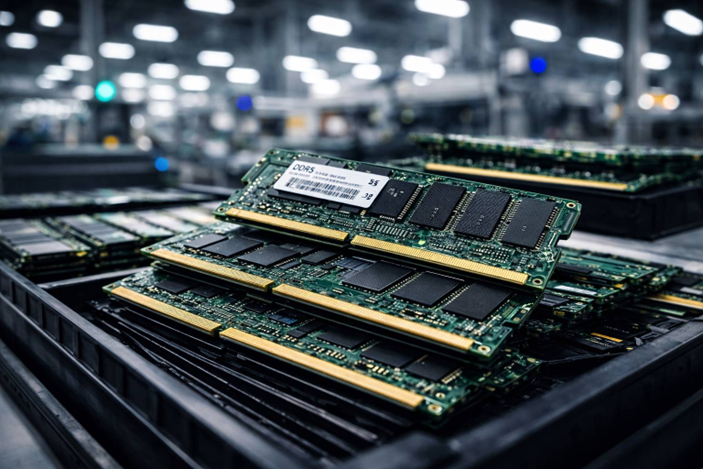
Combined with price gains of nearly 50 per cent in 2025, memory costs have reached historically elevated levels, continuing to push up overall electronics manufacturing expenses.
The primary driver of this price surge is the rapid build-out of AI data centres and cloud computing infrastructure. AI servers require substantially more memory than conventional servers, with per-unit demand estimated to be eight to ten times higher, rapidly consuming global production capacity.
In pursuit of higher margins in the AI market, major memory manufacturers are prioritising production lines for HBM and server-grade products, inevitably compressing supply flexibility for smartphones, PCs and other consumer devices, and creating a structural supply shortage.
The surge in memory prices is quickly being transmitted to downstream markets. Multiple device makers and component suppliers have already begun adjusting product prices to offset rising costs. If brands choose to absorb the cost burden internally, margins will be significantly squeezed; if they pass costs on to consumers, replacement demand could weaken and product upgrade cycles may be extended.
The latest forecasts from market research firms indicate that global smartphone shipments could turn negative in 2026, while the PC and gaming console markets are already facing downward revisions in demand expectations, highlighting the growing sensitivity of high-frequency consumer electronics to price fluctuations.
Manufacturers further point out that lower-end devices and price-driven brands will bear the brunt of the impact, particularly in markets where affordability is the primary purchasing factor.
In contrast, brands with stronger premium product portfolios and more developed ecosystems are better positioned to absorb cost volatility through brand power and economies of scale, while maintaining profit structures through product-tiering and upgrade strategies.
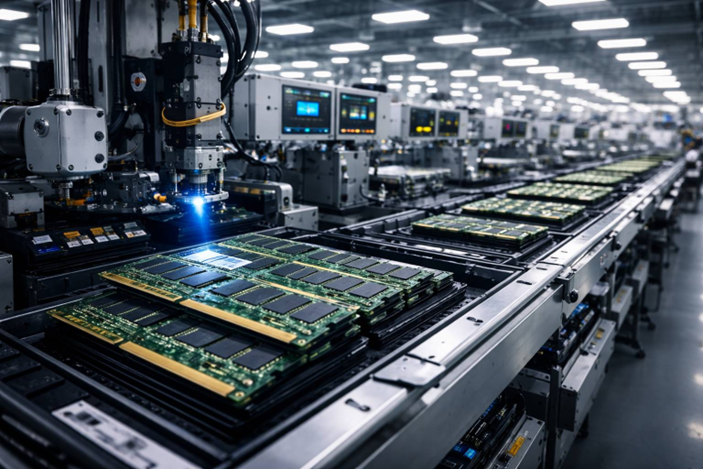
Beyond the consumer market, tight memory supply has also emerged as a major uncertainty factor for the ramp-up of cloud-specific application-specific integrated circuits (ASICs). Major cloud service providers have confirmed large-scale deployment plans for ASIC platforms, and both Taiwanese and international chip design companies are expected to enter peak mass production in 2026. However, if memory capacity expansion fails to keep pace with AI-driven demand spillover, the broader AI hardware supply chain could quickly encounter bottlenecks, potentially affecting data centre construction schedules and investment returns.
Industry executives warn that rising memory costs are no longer solely a semiconductor sector issue but a critical variable for the entire electronics product ecosystem. Even vertically integrated industry leaders cannot fully escape upstream cost pressures.
If memory prices remain elevated for an extended period, the pricing structures of smartphones, laptops, wearables and home appliances will be recalibrated, and the recovery trajectory of the global consumer electronics market will be forced to reset.
“Based on multiple market investigations and analyses conducted by the reporter.”
This current “super memory bull market” reflects a structural transformation of the industry rather than a simple cyclical economic upswing. The long-term trend of AI computing demand is gradually turning high-end memory into a critical strategic resource.
If production capacity fails to keep pace with consumption demand, the resulting volatility in memory prices is likely to intensify, bringing far-reaching impacts on the global technology industry.
If memory prices continue to rise, manufacturing costs for consumer electronics such as smartphones, laptops, gaming consoles, and home appliances will increase significantly.
Should brands pass these costs on to end users, retail prices will inevitably rise, potentially suppressing consumers’ willingness to upgrade or replace devices. Conversely, if manufacturers choose to absorb the cost pressures, their profit margins will be squeezed, which could affect product strategies and market deployment schedules.
Overall, as price sensitivity increases, the impact will be most pronounced in the mid- to low-end market segments and among price-sensitive consumers, potentially slowing the pace of recovery in global consumer demand.
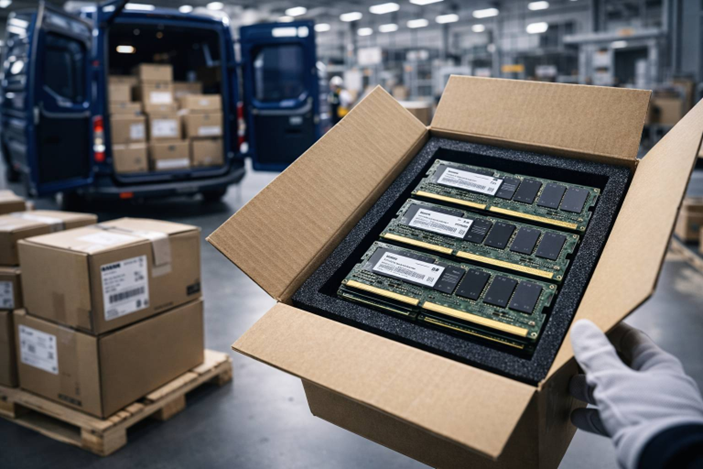
《 Findings from Multiple Market Field Investigations 》
This wave of the “super bull market” in memory reflects a structural transformation of the industry rather than a simple cyclical economic upturn. The long-term trend in AI computing demand has gradually turned high-end memory into a critical strategic resource. If production capacity fails to keep pace with demand, memory price volatility is expected to continue expanding, bringing far-reaching impacts on the global technology industry.
If memory prices continue to rise, manufacturing costs for consumer electronics products such as smartphones, laptops, gaming consoles, and home appliances will increase significantly. If brand manufacturers pass these costs on to consumers, end-product prices will inevitably rise, suppressing consumers’ willingness to upgrade and replace devices.
If manufacturers choose to absorb the costs themselves, profit margins will be squeezed, which in turn will affect product strategies and marketing schedules. Overall, as consumer electronics demand becomes more price-sensitive, the impact will be most pronounced in the mid- and low-end market segments and among price-sensitive consumer groups, potentially slowing the pace of global consumer market recovery.